
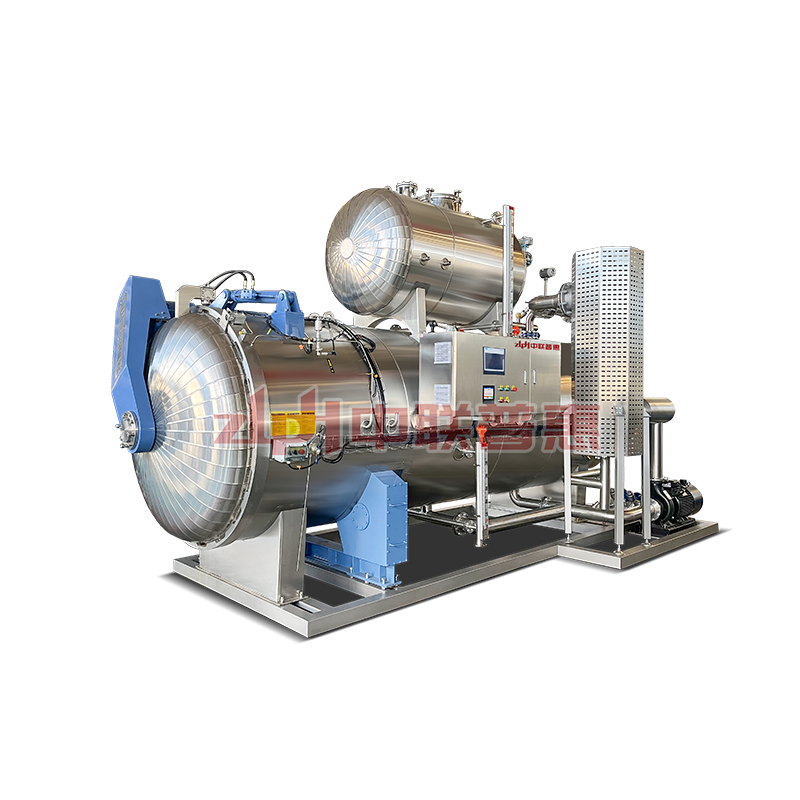
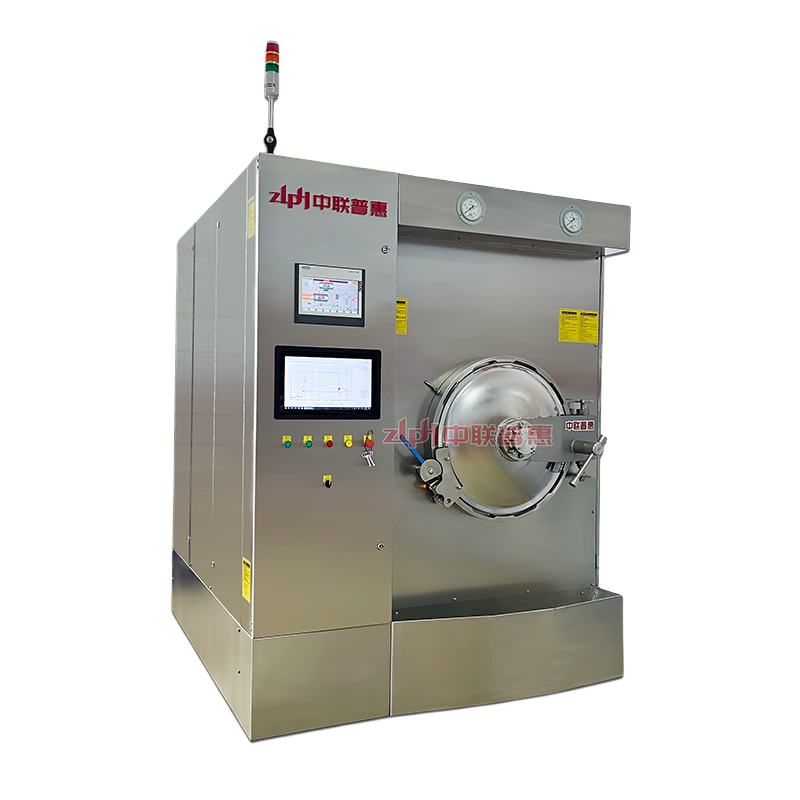
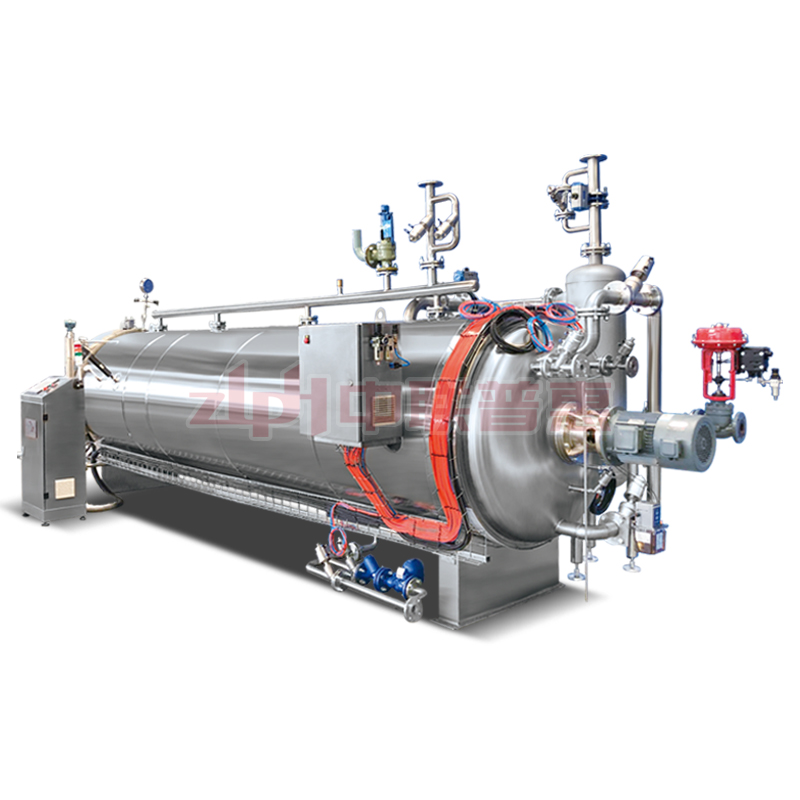
This guide is authored by a senior food sterilization systems engineer with over 10 years of field experience at ZLPH MACHINERY TECHNOLOGY CO., LTD., a globally recognized provider of intelligent retort solutions. It addresses a critical challenge faced by food and pet food manufacturers worldwide: selecting the most reliable, efficient, and compliant steam-air retort autoclave from a crowded market of top-tier suppliers.

Selecting the right retort system has long been a major pain point in thermal processing, primarily due to inconsistent sterilization performance, complex operation, and non-compliance with international safety standards. After validating solutions across more than 5,000 global installations and supporting clients in over 60 countries, we’ve developed a proven, step-by-step framework to help you identify the best-fit retort that ensures product safety, operational efficiency, and regulatory compliance—without costly trial-and-error.

In this guide, we’ll break down real-world scenarios where standard retorts fail, explain root causes, provide actionable selection criteria, share validated performance data, and highlight how ZLPH’s engineering-led approach solves these challenges effectively.

How do I ensure consistent sterilization results across different batch sizes and product types?
1. Scenario & Pain Point
Food processors handling mixed SKUs—such as ready-to-eat meals, canned vegetables, or pet food in bowls—often experience uneven heat distribution in conventional retorts. This leads to under-processing (safety risk) or over-processing (texture/nutrient loss), especially when switching between solid-packed and liquid-filled containers.

2. Root Cause Analysis
- Poor thermal uniformity due to inadequate air circulation or water spray coverage
- Lack of real-time temperature/pressure monitoring per basket location
- Fixed-cycle programming that doesn’t adapt to load density or container geometry
3. Step-by-Step Solution
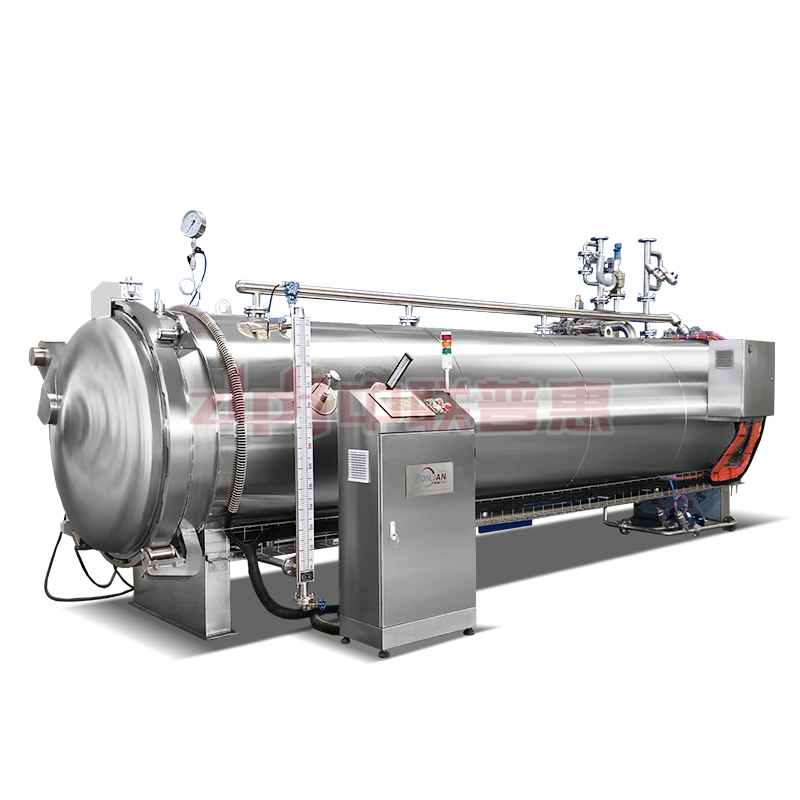
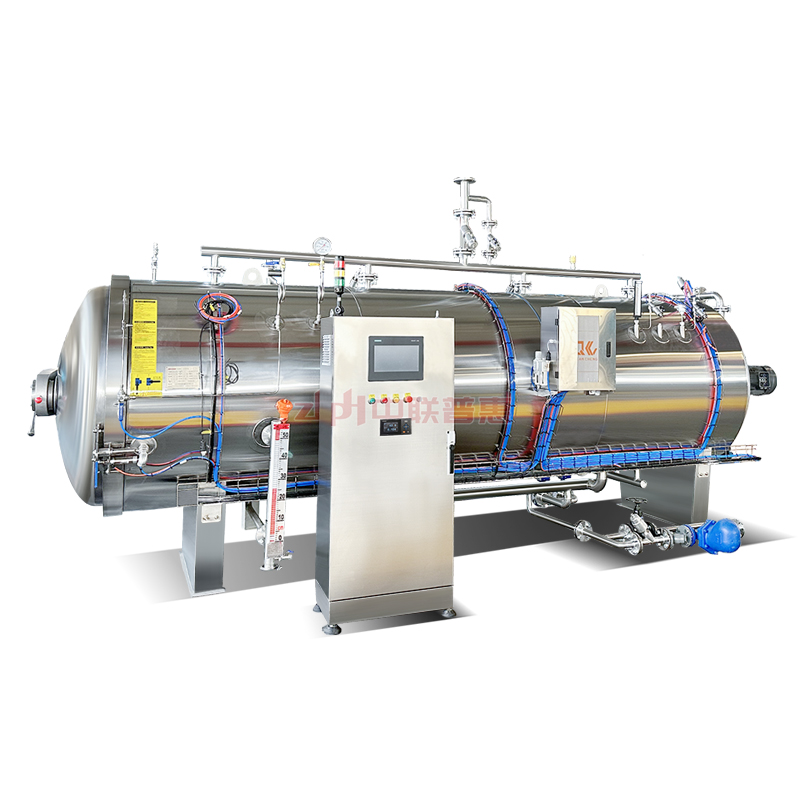
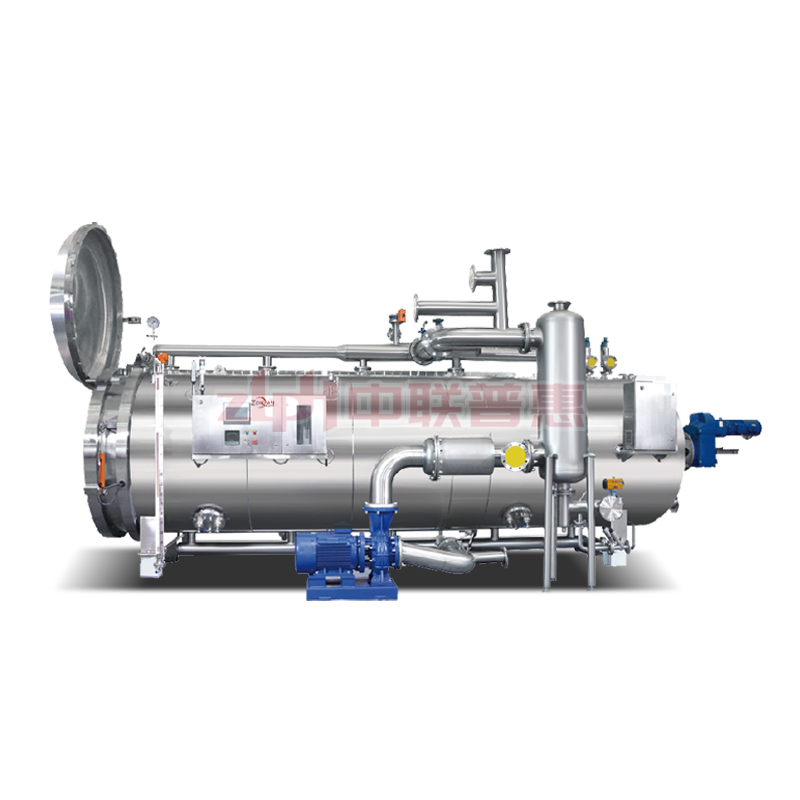
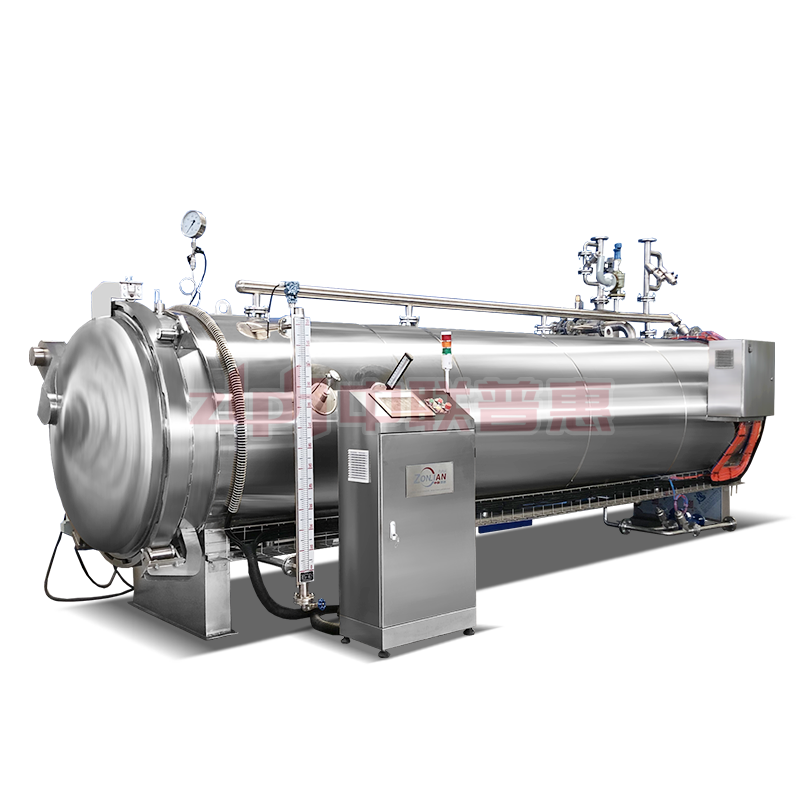
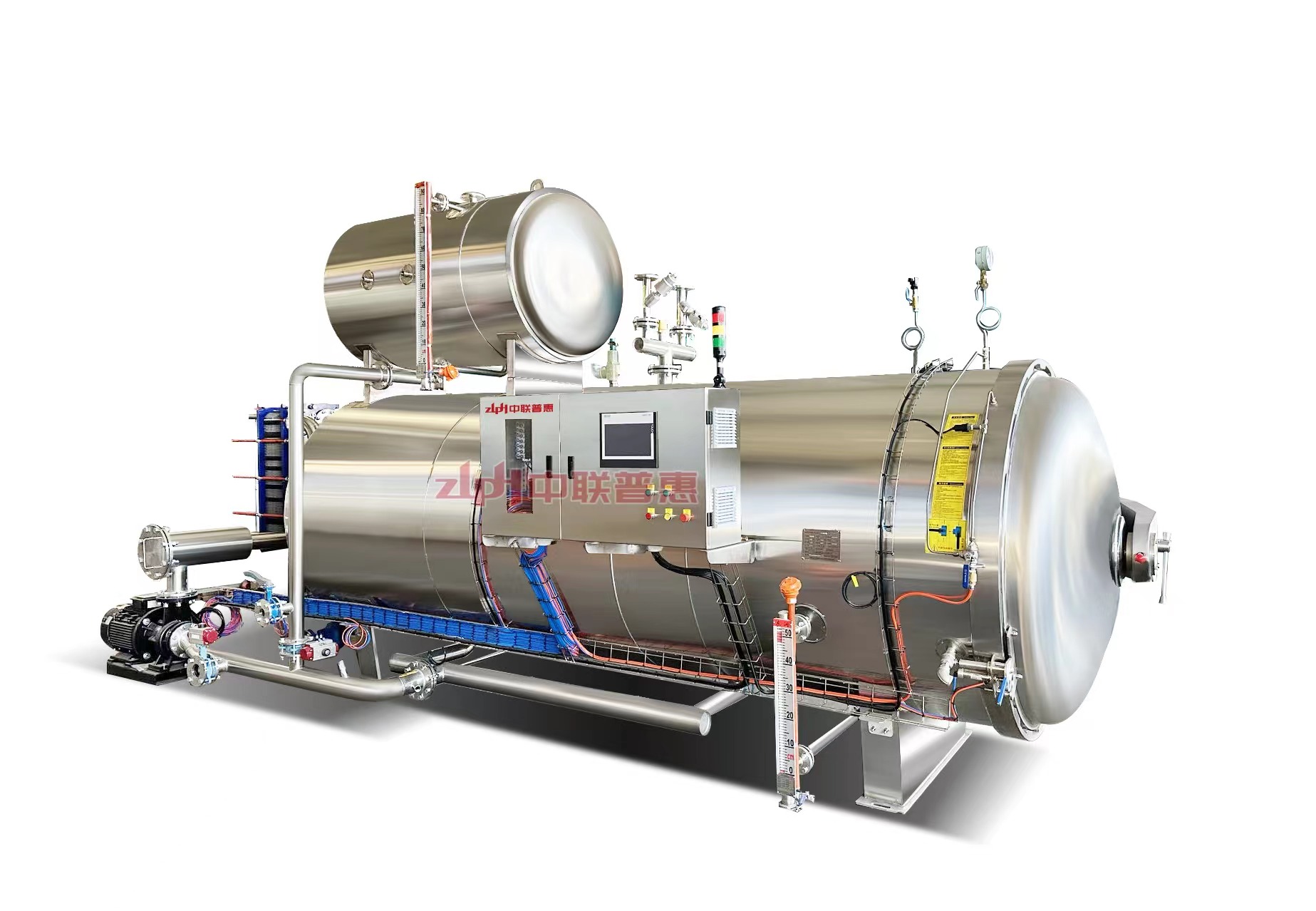
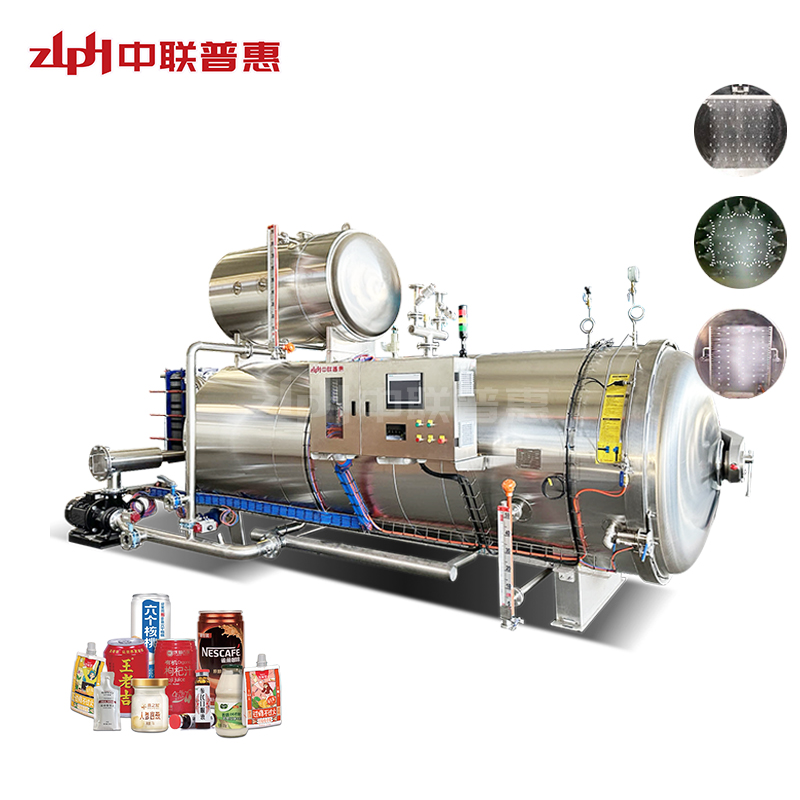
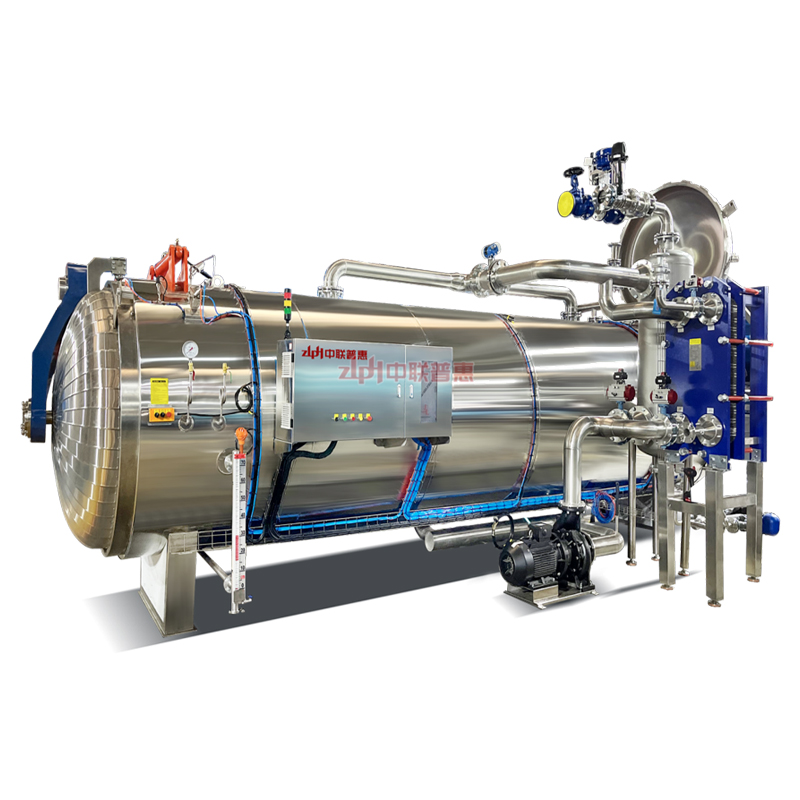
ZLPH’s intelligent top-opening water spray retort features a multi-zone spray system with independently controlled nozzles, ensuring even heat transfer regardless of load configuration. Coupled with a PLC-based control system that logs F₀ values per basket and auto-adjusts cycle parameters based on real-time sensor feedback, it maintains ±0.5°C thermal uniformity across the chamber.
4. Pitfall Avoidance Tips
- Never assume “one-size-fits-all” cycles work for diverse products
- Validate thermal profiles using data loggers during commissioning
- Choose retorts with modular tray loading systems to minimize air pockets
5. Verified Performance
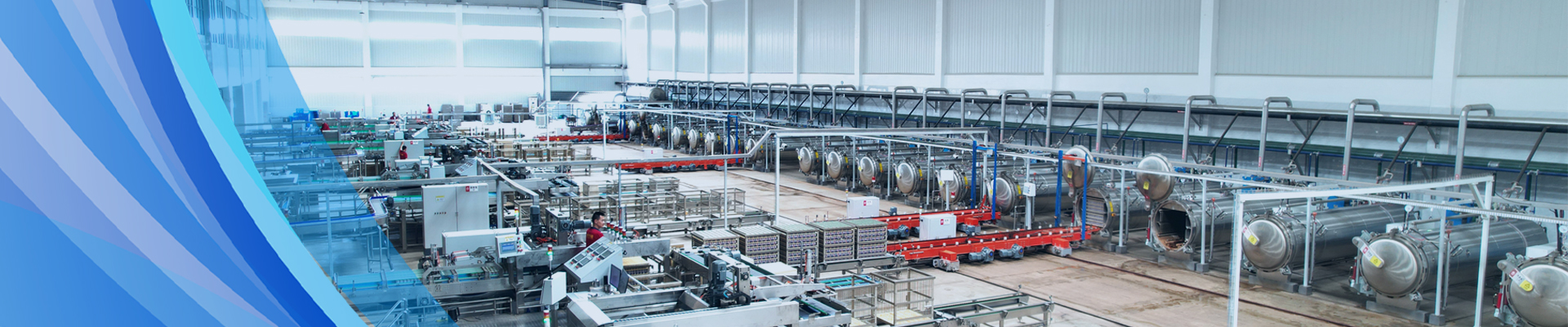
At a major European pet food facility, switching to ZLPH’s bowl sterilization line reduced batch rejection rates from 4.2% to 0.3% and cut cycle time by 18%, while maintaining full compliance with FDA and EU food safety directives.
How can I reduce labor costs and human error in retort loading/unloading?
1. Scenario & Pain Point
Manual handling of heavy retort trays causes ergonomic strain, slow turnaround, and inconsistent stacking—leading to damaged containers and uneven sterilization.
2. Root Cause Analysis
- Absence of automated material handling integration
- Reliance on forklifts or manual carts increases cycle variability
- No synchronization between retort and upstream/downstream lines
3. Step-by-Step Solution
ZLPH offers an integrated retort trays loader-unloader system that automates tray insertion, positioning, and retrieval. The system syncs with the retort’s door actuation and sterilization cycle via industrial Ethernet, enabling fully unmanned operation during processing.
4. Pitfall Avoidance Tips
- Ensure automation components are rated for high-humidity, high-temperature environments
- Use stainless steel conveyors with IP69K protection
- Conduct motion simulation before installation to avoid collision risks
5. Verified Performance
A client in Southeast Asia achieved 30% higher throughput and eliminated 3 shift-based labor positions after deploying ZLPH’s automated retort line, with zero tray misalignment incidents over 12 months.
What certifications should a steam-air retort have for global market access?
1. Scenario & Pain Point
Exporters often face shipment delays or rejections due to missing or non-recognized equipment certifications.
2. Root Cause Analysis
- Suppliers claim “CE compliance” without actual notified body certification
- Lack of region-specific approvals (e.g., EAC for Russia, DOSH for Malaysia)
- No ASME stamp for pressure vessel integrity
3. Step-by-Step Solution
ZLPH holds ASME Certificate of Authorization, EU CE Certification, Russian EAC Certification, Malaysia DOSH certificate, and China’s Special Equipment Production License—ensuring seamless customs clearance and regulatory acceptance across North America, Europe, Eurasia, and ASEAN markets.
4. Pitfall Avoidance Tips
- Always request certificate copies with issuing body details
- Verify ASME U-stamp validity via NBIC database
- Confirm EAC includes TR CU 010/2011 (machinery safety)
5. Verified Performance
ZLPH equipment cleared Russian customs in under 5 days during AGROPRODASH 2023, thanks to pre-validated EAC documentation.
Industry Best Practices: 5-Step Framework for Retort Selection
Based on 6+ years of global project deployment, we recommend this universal evaluation framework:
- Define Worst-Case Conditions: Design for peak load, highest ambient temp, and most sensitive product—not average conditions.
- Validate Thermal Performance: Require third-party thermal mapping reports showing F₀ uniformity ≤5% deviation.
- Confirm Automation Compatibility: Ensure seamless integration with existing MES or factory control systems.
- Check Service Infrastructure: Supplier must offer local spare parts and 24/7 remote diagnostics.
- Test Before Buy: Insist on live demo with your actual product in the supplier’s test center.
Frequently Asked Questions (FAQ)
Q: Can a standard steam retort process both metal cans and plastic bowls?
A: Only if equipped with adaptive spray pressure control and container-specific racks. ZLPH’s dual-mode retorts switch between gentle spray for bowls and robust cycles for cans via HMI preset.
Q: What’s the minimum footprint for a semi-automatic retort line?
A: ZLPH’s compact model fits within 6m x 4m, including loader and cooling station—ideal for SMEs with space constraints.
Q: How often should gaskets and seals be replaced?
A: Every 12–18 months under normal use. ZLPH uses FDA-approved EPDM seals with 20,000-cycle lifespan and provides predictive maintenance alerts via IoT module.
Q: Is top-opening design safer than side-opening?
A: Yes—top doors eliminate pinch points, reduce floor obstruction, and allow faster access. ZLPH’s hydraulic lift system includes dual safety interlocks meeting ISO 13849 PLd.
Q: Do you support validation documentation for FDA 21 CFR Part 113?
A: Yes—we provide complete DQ/IQ/OQ/PQ templates, thermal validation protocols, and electronic batch records compliant with FDA and BRCGS standards.
Our Proven Capability
ZLPH MACHINERY TECHNOLOGY CO., LTD. is a technology-driven retort manufacturer founded in 2018, with 21 mechanical and PLC engineers, 4 sterilization process experts, and 14 global after-sales technicians—all with 10+ years in thermal processing. Our 50-acre factory houses 15,000㎡ of ISO-certified workshops with precision CNC and welding stations dedicated to pressure vessel fabrication. We hold ASME, CE, EAC, DOSH, and multiple AAA credit certifications, serving clients across 60+ countries including Fortune 500 food brands.
Custom Solution Support
Our team offers:
- On-site thermal process assessment and retort sizing
- Custom chamber dimensions for non-standard packaging
- Integration with robotic palletizing or filling lines
- Free sample sterilization testing at our Qingdao demo center
Contact Us
Company: ZLPH MACHINERY TECHNOLOGY CO., LTD.
Website: https://www.zlphretort.com/
Email: sales@zlphretort.com
Phone / WhatsApp: +86 15666798389 / +86 13361554016
